1
/
of
2
日東メディック株式会社
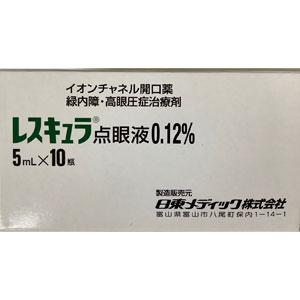
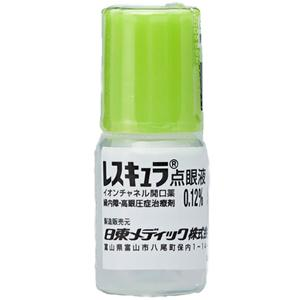
Isopropyl unoprostol eye drops 0.12% 5ml 10 Rescula ophthalmic eye drops 0.12% Nitto Nitto Glaucoma & Ocular Pressure
Isopropyl unoprostol eye drops 0.12% 5ml 10 Rescula ophthalmic eye drops 0.12% Nitto Nitto Glaucoma & Ocular Pressure
Regular price
¥25,000 JPY
Regular price
Sale price
¥25,000 JPY
Unit price
/
per
Taxes included.
Couldn't load pickup availability
Isopropyl unoprostone eye drops 0.12% contain isopropyl unoprostone (a prostaglandin analogue) and are suitable for open-angle glaucoma and ocular hypertension, especially for those whose ocular pressure is not well controlled by other medications.
I. Basic Drug Information
- Generic name : Isopropyl Unoprostone
- English name : Rescula ophthalmic
- Product Name : Rescula Eye Drops 0.12% (Rescula Eye Drops 0.12%)
- Dosage form : Eye drops (sterile aqueous eye drops)
- Indications : Glaucoma, ocular hypertension
-
Element
- Active ingredient: 1.2 mg of isoprostol per 1 mL
- Additives: Polysorbate 80, benzalkonium chloride, D-mannitol, concentrated glycerol, sodium edetate hydrate, pH adjuster
- Properties : Colorless, clear, sterile aqueous eye drops; pH 5.0–6.5; osmotic pressure ratio 0.9–1.1.
II. Usage and Dosage
Usually, 1 drop at a time, 2 times a day.
III. Taboos
It was not explicitly mentioned.
IV. Precautions
-
Special populations
- Pregnant women: This medication should only be administered to pregnant women or women who may become pregnant if the benefits of treatment outweigh the risks. In reproductive toxicity studies, high-dose groups (5 mg/kg/day) in organogenic rats, high-dose groups (1.25 mg/kg/day) in perinatal and lactating rats, and high-dose groups (0.3 mg/kg/day) in organogenic rabbits showed a trend toward increased miscarriage and preterm birth.
- For breastfeeding mothers: The benefits of treatment and the nutritional benefits of breast milk should be considered before deciding whether to continue or discontinue breastfeeding. Animal studies (rats) have shown that the drug can be transferred into breast milk.
- Children, etc.: No clinical trials with efficacy and safety indicators have been conducted for children and other populations.
- Elderly people: Their physiological functions generally decline.
-
Medication guidance
- Corneal problems may occur during medication use. If patients experience persistent symptoms such as blurred vision, foreign body sensation, or eye pain, they should seek medical attention immediately. Patients should be fully informed about this.
- When delivering medication, patients should be instructed to: To prevent contamination of the eye drops, ensure that the tip of the container does not directly touch the eye when instilling the medication; open the eyelid of the affected eye, instill the medication into the conjunctival sac, close the eye for 1-5 minutes and apply pressure to the lacrimal sac before opening the eye; if the medication is to be used in conjunction with other eye drops, wait at least 5 minutes before instilling the medication.
-
Drug Preservation
- Store at room temperature.
- Once the outer box is opened, it must be stored in a light-proof environment.
V. Adverse Reactions
- Allergic reactions : Benzalkonium chloride, a preservative in this product, may cause allergic reactions.
- Digestive system reactions : Symptoms such as nausea and vomiting may occur.
- Other adverse reactions
| frequency | Eye symptoms | Other symptoms |
|---|---|---|
| 2% or more | Eye fat, conjunctival edema | - |
| 1~2% Not enough | Conjunctival congestion | - |
| 0.1~1% Not enough | Keratitis, corneal erosion, punctate corneal opacity, iritis, iris pigmentation, eyelid redness, eyelid pigmentation, blepharitis, hirsutism, eye pain, transient itching, eye irritation, burning sensation, foreign body sensation, discomfort, blurred vision, near vision impairment, diplopia, visual abnormalities (decreased vision, scotomas, transient glaucoma, etc.), transient myopia. | Headache, heaviness in the head, pressure in the head, dry mouth, nasal congestion, numbness on the tip of the tongue, palpitations |
| Frequency unknown | - | - |
VI. Drug Interactions
When used in combination with 1% pilocarpine eye drops, the intraocular pressure-lowering effect is additive.
VII. Pharmacological effects
- Mechanism of action : Aqueous humor dynamics studies in monkeys, dogs, healthy humans, and patients with glaucoma and ocular hypertension have shown that the intraocular pressure-lowering effect of isopronoprost eye drops is mainly achieved by promoting the outflow of aqueous humor through the main or secondary pathways.
-
Intraocular pressure lowering effect
- When applied to the eyes of monkeys, dogs, and rabbits, it can rapidly and continuously reduce intraocular pressure, showing a dose-dependent effect in monkeys.
- For healthy individuals or patients with glaucoma or ocular hypertension, instilling eye drops twice a day can effectively control intraocular pressure without affecting pupil diameter, vision, blood pressure, or pulse. Long-term use can also maintain intraocular pressure well.
-
Effect on blood flow in ocular tissues
- It can increase blood flow in the choroidal tissue of monkeys.
- In healthy individuals, single-cycle eye drops can increase blood flow velocity in the central retinal artery and short posterior ciliary artery; long-term eye drops can increase blood flow indices in the optic nerve head and choroid-retina related areas.
- For patients with normal intraocular pressure glaucoma, single-return eye drops can increase the flow velocity of the short posterior ciliary artery and blood flow to related ocular tissues.
- BK channel activation : Isopronoprostone and its active form (deethylated form) activate BK channels (high-conductivity calcium-activated potassium channels) in trabecular meshwork cells.
VIII. Pharmacokinetics
-
absorb
- In six healthy adult males, after administering 35 μL of 0.12% isoprostol eye drops to both eyes, the plasma concentration of its deethylated form reached a peak of 0.76 ng/mL after 15 minutes, with a half-life of 14 minutes, and was below the limit of quantitation after 2 hours.
- After applying 0.12%³H-isoprostol eye drops to one eye of a white rabbit, the drug rapidly entered the eye. The highest radioactivity concentration was observed in the cornea at 15 minutes and in the aqueous humor at 30 minutes, followed by a decrease, and almost disappeared after 24 hours. The drug was almost undistributed in the lens, vitreous body, and optic nerve. Similar results were observed in colored rabbits, with no species difference, and no affinity for tissues containing melanin.
-
excretion
- When administered via eye drops or intravenous drip to rabbits, and via intravenous drip to rats and mice, the primary route of excretion was urine.
- In 6 healthy adult males, the concentration of deethylated ointment in urine was below the limit of quantification after a single eye drop.
IX. Clinical Research
- The domestic Phase III trial (double-blind controlled trial) was conducted in 18 institutions across the country, with adult patients suffering from primary open-angle glaucoma and ocular hypertension as subjects. The results showed that 0.12% isoprostol eye drops achieved an improvement rate of 91.4%, which was found to be non-inferior to the control drug. The incidence of side effects was 6.7%, mainly conjunctival congestion.
- Domestic Phase III trial (long-term dosing trial) : In 20 institutions across the country, relevant patients were given long-term dosing for 52 weeks, with an improvement rate of 70.8% and an incidence of side effects of 18.6%, mainly conjunctival congestion.
- Domestic Phase III trial (trial on low intraocular pressure glaucoma patients) : In one institution nationwide, adult patients with low intraocular pressure glaucoma were given the drug for 24 weeks, with an improvement rate of 75% and no side effects were found.
- Other : In 40 patients with normal intraocular pressure glaucoma, single-drug eye drops were administered continuously for 10 years, and the progression of visual field impairment was inhibited in 77.5% of the patients.
10. Packaging Specifications
Plastic eye drops container 5mL×10 pieces
XI. Production Information
Manufacturer : Nitto Medical Co., Ltd.
Share