1
/
of
1
ファイザー株式会社(辉瑞株式会社)
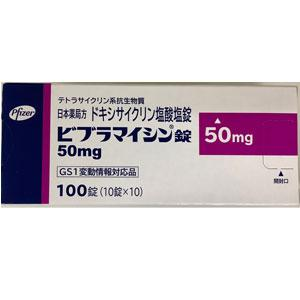
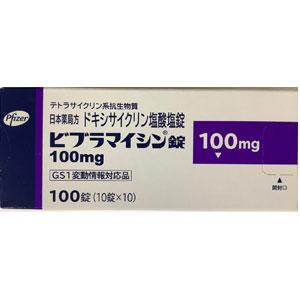
Doxycycline Hydrochloride Hydrate Tablets 100 Tablets (Pfizer Antibiotics)
Doxycycline Hydrochloride Hydrate Tablets 100 Tablets (Pfizer Antibiotics)
Regular price
¥3,100 JPY
Regular price
Sale price
¥3,100 JPY
Unit price
/
per
Taxes included.
Couldn't load pickup availability
Doxycycline hydrochloride hydrate is a tetracycline antibiotic that exerts a broad-spectrum antibacterial effect by inhibiting bacterial protein synthesis. It is suitable for respiratory tract infections, skin and soft tissue infections, chlamydia infections, etc.
I. Basic Drug Information
- Generic name: Doxycycline hydrochloride hydrate (doxycycline hydrochloride hydrate)
- English name: Doxycycline Hydrochloride Hydrate
- Product name: Vibramycin Tablets
- Dosage form: Tablets (50mg, 100mg)
- Indications:
- Superficial skin infections, deep skin infections, lymphangitis and lymphadenitis, chronic pyoderma, secondary infections from trauma, heat injuries and surgical wounds, mastitis, osteomyelitis, pharyngitis and laryngitis, tonsillitis, acute bronchitis, pneumonia, secondary infections from chronic respiratory diseases, cystitis, pyelonephritis, prostatitis (acute and chronic), urethritis, gonorrhea, infectious enteritis, colitis, intrauterine infection, uterine adnexitis, eyelid abscess, dacryocystitis, stye, keratitis (including corneal ulcer), otitis media, sinusitis, pericoronitis, purulent salivary gland inflammation, scarlet fever, anthrax, brucellosis, plague, Q fever, scrub typhus.
- Element:
- Active ingredients: Each tablet of the 50 mg specification contains 50 mg of the diluted dimethyl sulfate in water (power 䡡); each tablet of the 100 mg specification contains 100 mg of the diluted dimethyl chloride in water (power 䡡).
- Additives: lactose hydrate, カルメロースカルシウム, トウモロコシデンプン、ヒドロキシプロピルセルロース、ステアリン acid マグネシウム, ヒプロメロース, マクロゴール, acidified チタン, Flowing パラフィン, タルク, カルナウバロウ, セラシミトール.
- Characteristics:
- 50mg: White film-coated tablet, identification code PT096.
- 100mg: White film-coated tablet, identification code PT097.
II. Usage and Dosage
- For adults: On the first day, the daily dose is 200 mg (Litsea cubeba) based on doxycycline hydrochloride hydrate, divided into one or two oral doses; from the second day onwards, the daily dose is 100 mg (Litsea cubeba) orally once. The dose may be adjusted according to the type of infection and symptoms.
- Children: Children weighing 45kg or more should take the same dosage as adults; children weighing less than 45kg should be given an appropriate dosage based on their weight.
- Special infections:
- Anthrax: Based on the latest information from domestic and international academic guidelines, the US CDC recommends administration for 60 days to suppress the onset and progression of the disease.
- Chlamydia infection: In principle, administer for 14 days, which may be extended if necessary.
- Cholera, plague, brucellosis, Q fever: Refer to the latest information, such as guidelines from domestic and international societies, to determine the start time, dosage, duration, and combined medications.
III. Taboos
This medication is contraindicated in patients with a history of allergy to any of its components or to tetracycline antibiotics.
IV. Precautions
- Special populations:
- Pregnant women or women who may become pregnant: Use only when the benefits outweigh the risks. Administration during the second half of pregnancy may cause transient osteodystrophy, tooth discoloration and enamel hypoplasia in the fetus. Animal studies have shown fetal toxicity.
- For breastfeeding women: It is recommended not to breastfeed, as the medication can be transferred into breast milk.
- Children: Use with caution in children under 8 years of age (especially during the period of tooth formation), as it may cause tooth discoloration, enamel hypoplasia and transient osteodystrophy. Only consider using it when other medications are ineffective.
- Elderly individuals often have lower physiological functions, making them more prone to side effects. They may also experience bleeding tendencies due to vitamin K deficiency. Therefore, it is necessary to monitor the patient's condition and pay attention to the dosage and administration intervals.
- Patients with liver or kidney dysfunction: The condition may worsen in patients with liver dysfunction; although the half-life of the drug in the blood concentration is not significantly prolonged in patients with kidney dysfunction, caution is still required.
- Patients with esophageal obstruction: are at risk of developing esophageal ulcers.
- Patients with poor oral intake, non-oral nutrition, or poor general condition: need to be closely monitored, as they may have a bleeding tendency due to vitamin K deficiency.
- Medication instructions:
- To prevent the emergence of resistant bacteria, in principle, once susceptibility is confirmed, the medication should only be administered for the shortest period necessary for treatment.
- When taking this medication long-term, it is recommended to have regular tests for liver and kidney function, blood tests, etc.
- Avoid taking with calcium, magnesium, aluminum, iron, or bismuth salts, as they may form complexes that affect absorption.
- When used in combination with anticoagulants, it may inhibit plasma prothrombin activity and prolong prothrombin time; when used in combination with barbiturates, it may shorten the half-life of the drug in the blood concentration; when used in combination with sulfonylurea hypoglycemic agents, it may enhance the hypoglycemic effect; when used in combination with oral contraceptives, it may weaken their effect.
- Take with plenty of water, and especially avoid taking it directly before bedtime to prevent the medication from remaining in the esophagus and causing ulcers.
- PTP-packaged medications must be removed from the PTP blister pack before consumption to avoid accidental swallowing of the blister pack, which could cause esophageal mucosal puncture or perforation and lead to serious complications.
- Medication storage: Store at room temperature; shelf life is 3 years.
V. Adverse Reactions
- Allergic reactions may include shock, allergic reactions (dyspnea, angioedema, etc.), toxic epidermal necrolysis, Stevens-Johnson syndrome, exfoliative dermatitis, and drug allergy syndrome (initial manifestations include rash and fever, which may be accompanied by liver dysfunction, lymph node swelling, etc.).
- Digestive system reactions: possible symptoms include pseudomembranous colitis (severe enteritis with bloody stools), hepatitis, liver dysfunction, and jaundice.
- Other possible complications include increased intracranial pressure (accompanied by vomiting, headache, etc.), vitamin K deficiency symptoms (hypoprothrombinemia, bleeding tendency, etc.), vitamin B deficiency symptoms (glossitis, stomatitis, etc.), exacerbation of systemic lupus erythematosus, serum sickness, tinnitus, etc.
VI. Drug Interactions
- When used in combination with calcium, magnesium, aluminum, iron, or bismuth salts, it may reduce the absorption of this agent and weaken its effect, as metal ions form complexes with tetracycline that hinder intestinal absorption.
- When used in combination with anticoagulants (such as warfarin), it may inhibit plasma prothrombin activity and prolong prothrombin time. The mechanism may be related to the inhibition of vitamin K-producing bacteria in the intestine by tetracycline, leading to vitamin K deficiency.
- Concomitant use with carbamazepine, phenytoin, rifampin, or barbituric acid derivatives may shorten the blood concentration half-life of this drug, as these drugs induce hepatic drug-metabolizing enzymes.
- When used in combination with sulfonylurea hypoglycemic agents (such as glipizide), the hypoglycemic effect may be enhanced because this agent may prolong the half-life of insulin or inhibit the effect of glucagon.
- When used in combination with oral contraceptives: the contraceptive effect may be weakened because this agent alters the intestinal flora and inhibits the reabsorption of the contraceptive through the enterohepatic circulation.
VII. Pharmacological effects
- Mechanism of action: It exerts its antibacterial effect by inhibiting bacterial protein synthesis.
- Antibacterial activity: It has excellent antibacterial activity against Gram-positive bacteria, Gram-negative bacteria, Chlamydia spp. and Q-heat Rickettsia in vitro. Its antibacterial activity against Gram-positive bacteria, including Staphylococcus aureus, is stronger than that of other tetracyclines.
VIII. Pharmacokinetics
- Absorption: Rapidly absorbed after oral administration. In healthy adults, a single oral dose of 200 mg reaches peak plasma concentration of approximately 3 μg/mL in 2-4 hours, with a plasma half-life of 11-13 hours. Although taking the medication with milk or food delays peak plasma concentration, it does not affect absorption.
- Excretion: After oral administration of 200 mg, the urinary excretion rate is 15-30% within 24 hours.
IX. Clinical Research
- Domestic trials: In trials conducted by 118 institutions, the efficacy rate against Gram-positive bacteria (Staphylococcus, Streptococcus, etc.) infections (tonsillitis, mastitis, etc.) was 73.9% (357/483); the efficacy rate against Gram-negative bacteria (gonococcus, Klebsiella pneumoniae, etc.) infections (pyelonephritis, cystitis, etc.) was 71.2% (306/430).
- Domestic trials targeting Chlamydia infections: conducted in 17 institutions, with an efficacy rate of 97.8% (88/90) for urethritis caused by Chlamydia trachomatis, 90.0% (9/10) for endocervicitis, and 100% (15/15) for scrub typhus.
- No clinical studies have been conducted for anthrax, cholera, plague, brucellosis, or Q fever.
10. Packaging Specifications
- 50mg: 100 tablets [10 tablets (PTP) × 10]
- 100mg: 100 tablets [10 tablets (PTP) × 10]
XI. Production Information
Manufacturer: Pfizer Inc.
Share