浅草薬粧
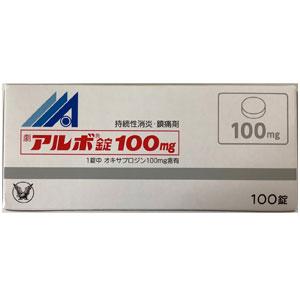
Alvo Oxapridine Tablets 100mg: 100 tablets
Alvo Oxapridine Tablets 100mg: 100 tablets
Couldn't load pickup availability
Product Features
It relieves inflammation and pain (anti-inflammatory, analgesic) by inhibiting the production of prostaglandins (substances that cause inflammation and increase pain).
It is commonly used for rheumatoid arthritis, osteoarthritis, back pain, spinal disorders, cervicobrachial syndrome, frozen shoulder, gout attacks, and post-traumatic and post-operative anti-inflammatory/analgesic purposes.
Specification
100 pills
Properties
White nude film
Ingredients
One tablet contains: Oxapridine 100 mg
Additives: Calcium carboxymethyl cellulose, hydroxypropyl methyl cellulose 2910, crystalline cellulose, magnesium aluminosilicate, magnesium stearate
Indications
○ Anti-inflammatory and analgesic for the following diseases and symptoms: rheumatoid arthritis, osteoarthritis, back pain, spinal deformities, cervicobrachial syndrome, frozen shoulder, gout attacks. ○ Anti-inflammatory and analgesic after trauma and surgery.
Dosage and administration
Typically, the adult main ingredient is 400 mg per day, taken orally in 1-2 divided doses.
The dosage can be adjusted according to age and symptoms, with a maximum daily dose of 600mg.
Precautions
1. Anti-inflammatory and analgesic treatment is not a treatment of the underlying cause, but rather a symptomatic treatment.
2. When using this medication for chronic diseases (rheumatoid arthritis, osteoarthritis, etc.), please consider the following:
(1) For long-term use, regular checks should be performed (urine test, blood test and liver function test).
In addition, if any abnormalities are found, appropriate measures such as reducing the dosage or discontinuing the medication should be taken.
(2) The main considerations are situations other than drug therapy.
3. When using this medication after trauma or surgery, please consider the following:
(1) Note that the use should be based on the degree of inflammation and pain.
(2) In principle, avoid consenting to long-term use of medications.
4. Closely monitor the patient's condition and pay attention to side effects.
5. It may make the infection less obvious. Patients with infection should use it with appropriate antibiotics and be closely monitored.
6. It is best to avoid using it in combination with other nonsteroidal anti-inflammatory drugs (NSAIDs).
7. Pay special attention to the occurrence of side effects in the elderly and children, and try to control the dosage to the minimum necessary level. Use with caution.
Share