1
/
of
1
EAファーマ株式会社
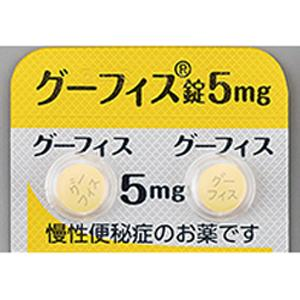
Goofice Eloxibate Tablets 5mg 100 Tablets GOOFICE Tablets Constipation
Goofice Eloxibate Tablets 5mg 100 Tablets GOOFICE Tablets Constipation
Regular price
¥21,000 JPY
Regular price
Sale price
¥21,000 JPY
Unit price
/
per
Couldn't load pickup availability
Iloxibat tablets are indicated for constipation without organic causes.
I. Basic Drug Information
- Generic Name : Eloxiparin Tablets (Hydrate Tablets)
- English name : Elobixibat Hydrate Tablets
- Product name : GOOFICE Tablets 5mg
- Dosage form : Film-coated tablets
- Indications : Chronic constipation (excluding constipation caused by organic diseases)
-
Element
- Active ingredient : Each tablet contains 5mg of epopiperb (in the form of epopiperb hydrate, with a content of 5.13mg).
- Additives : Crystalline cellulose, D-mannitol, hydroxypropyl methylcellulose, croscarmellose sodium, light anhydrous silica, magnesium stearate, polyethylene glycol 6000, titanium dioxide, yellow ferric oxide, sunset yellow
- Properties : This product is a pale yellow film-coated tablet, approximately 6.1 mm in diameter and 3.9 mm thick, weighing approximately 110.3 mg; epopipart hydrate is a white powder, readily soluble in N,N-dimethylformamide, slightly sparingly soluble in ethyl acetate or methanol, sparingly soluble in ethanol (99.5%), and almost insoluble in water.
II. Usage and Dosage
- The usual adult dose is 10 mg once daily, taken orally before meals, based on epopipate.
- Dosage adjustment : The dosage may be increased or decreased as appropriate according to the patient's symptoms, but the maximum daily dose shall not exceed 15mg.
III. Taboos
The following patients are prohibited from using this product:
- Patients with a history of allergy to any component of this product.
- Patients diagnosed or suspected of having intestinal obstruction due to tumors, intestinal obstruction, etc. (Using this product may worsen the symptoms of intestinal obstruction).
IV. Precautions
-
Special populations
- Patients with liver dysfunction : Patients with severe liver dysfunction, biliary obstruction, or decreased bile acid secretion may not achieve the expected therapeutic effect of this product.
- Pregnant women : This product should only be used on pregnant women or women who may become pregnant if the benefit of treatment outweighs the potential risks.
- Breastfeeding women : The treatment benefits and the importance of breast milk nutrition should be considered before deciding whether to continue breastfeeding or discontinue this product. Animal experiments (rats) show that high-dose oral administration of this product (1000 mg/kg/day) can produce maternal toxicity, and doses ≥350 mg/kg/day can affect the survival, growth and development of newborn rats; and animal experiments (rats) with 14C-labeled epopipart show that its radioactivity can be transferred into breast milk.
- Children : No clinical studies have been conducted in children, and the safety and efficacy of the medication in children are currently unclear.
- Elderly people : Elderly people usually have reduced physiological functions, so the dosage should be reduced accordingly when taking medication.
-
Medication guidance
- Adverse reactions such as abdominal pain and diarrhea may occur during medication. If such symptoms occur, the dosage should be reduced, medication should be discontinued or treatment should be terminated depending on the situation. Do not continue medication blindly, and the necessity of continuing medication should be assessed regularly.
- This product is a prescription drug and must be used under the prescription guidance of a doctor or other professional.
- When delivering medication, patients should be instructed to remove the PTP-packaged tablets from the blister pack before taking them to avoid accidentally swallowing the PTP blister pack. Because the blister pack is hard and has sharp edges, it may pierce the esophageal mucosa if swallowed, or even cause perforation, leading to serious complications such as mediastinitis.
- After opening the aluminum-plastic bag, avoid high temperature and humid environments, and store the medicine in a sealed container.
- Medication storage : Store at room temperature; shelf life is 36 months.
V. Adverse Reactions
- Allergic reactions : Hives and rashes may occur (incidence < 1%). If they occur, medication should be stopped immediately and appropriate treatment measures should be taken.
-
Digestive system reaction
- Incidence ≥5%: Abdominal pain (23.2%), diarrhea (14.4%)
- Incidence 1% - 5%: Lower abdominal pain, abdominal distension, nausea, upper abdominal pain, abdominal discomfort, loose stools
- Incidence < 1%: endostitis, thirst
- Unknown frequency: abdominal distension, urgency to defecate, vomiting, abnormal gastrointestinal sounds, constipation, ischemic colitis, rectal bleeding, increased frequency of defecation, stool discoloration, fecal incontinence, decreased appetite.
-
Other adverse reactions
- Liver : Incidence 1% - 5%: Abnormal liver function (manifested as elevated ALT, elevated AST, elevated γ-GTP, elevated ALP, elevated LAP); Frequency unknown: Elevated LDH.
- Nervous system : Incidence 1% - 5%: fluctuating dizziness; frequency unknown: headache
- Circulatory system : Frequency unknown; hot flashes
- Hematologic system : Incidence 1% - 5%: Anemia; Incidence < 1%: Elevated vitamin E; Frequency unknown: Eosinophilia.
- Other : Incidence 1% - 5%: Elevated CK; Frequency unknown: Menstrual difficulties.
The patient's condition should be closely monitored during medication. If any abnormalities are found, the medication should be stopped immediately and appropriate measures should be taken.
VI. Drug Interactions
| Drug category/name | Clinical impact | Mechanism of action / Risk factors |
|---|---|---|
| Bile acid preparations (such as ursodeoxycholic acid and chenodeoxycholic acid) | This may weaken the efficacy of such drugs. | This product may reduce the reabsorption of bile acid preparations by inhibiting the bile acid transporter (IBAT). |
| Aluminum-containing acid resistant agents (such as sucralfate hydrate, aluminum hydroxide, etc.) | It may weaken the efficacy of this product. | These types of drugs can adsorb bile acids in the digestive tract, which may reduce the drug's effectiveness. |
| Kaolatilan, Kaolatipo | It may weaken the efficacy of this product. | These types of drugs can adsorb bile acids, which may weaken the efficacy of this product. |
| Digoxin, Dabigatran mesylate | This may increase the blood concentration of such drugs, thereby enhancing their efficacy. | This product inhibits P-glycoprotein, which can affect the transport of the aforementioned drugs, leading to an increase in blood drug concentration. |
| Midazolam | It may lower the blood concentration of midazolam, thus weakening its efficacy. | The specific mechanism of action is still unclear. |
Furthermore, in Caco-2 cell experiments, the IC50 value of this product for inhibiting the transport of digoxigenin, a substrate of P-glycoprotein, was 2.65 μmol/L, indicating that this product has P-glycoprotein inhibitory activity.
VII. Pharmacological effects
- Modulating biomembrane function : By inhibiting bile acid transporters (IBAT) on the terminal ileal epithelial cells, the transport process of bile acids in the intestine is regulated, which indirectly affects the functions of intestinal biomembranes.
- Improve metabolic abnormalities : Inhibit bile acid reabsorption, increase bile acid content in the large intestine, bile acids can promote the secretion of water and electrolytes in the intestine, improve the intestinal metabolic environment, and relieve constipation.
- Regulating blood lipids : No relevant clear effects have been recorded (this product is mainly used to treat chronic constipation, and there is no clear record of its effect on regulating blood lipids).
- Protecting blood vessels : No relevant clear effects have been recorded (this product mainly acts on the intestines and no clear vascular protective effect is mentioned).
- Mechanism of action : Elopipate inhibits the bile acid transporter (IBAT) expressed on terminal ileal epithelial cells, reducing bile acid reabsorption and increasing the amount of bile acids entering the large intestine. Bile acids promote the secretion of water and electrolytes in the large intestine and enhance gastrointestinal motility, thereby exerting a therapeutic effect on constipation. In a loperamide-induced rat constipation model, a single oral administration of epopipate showed an effect in improving constipation.
VIII. Pharmacokinetics
-
absorb
-
Blood drug concentration (single dose) :
- In Japanese patients with chronic constipation, the pharmacokinetic parameters after a single oral dose of 5 mg, 10 mg, or 15 mg of this product before meals are as follows:
| Dosage | Number of cases | Cmax (pg/mL) | AUC0-∞ (pg·h/mL) | Tmax (h) | t1/2 (h) |
|----|----|----|----|----|----|
|5mg|10|186.8±87.1|837.8±572.9|1.8±1.6|3.3±3.1|
|10mg|10|386.4±215.4|1272.5±656.2|1.9±1.6|2.5±1.5|
|15mg|10|389.7±103.6|1632.2±475.8|1.8±0.6|3.2±1.5| - In six healthy adult males from abroad, the pharmacokinetic parameters after a single oral dose of 5 mg (approximately 2.75 MBq) of 14C-epipitate before meals were as follows: Cmax was 0.5 ± 0.3 nmol/L, AUC0-∞ was 1.2 ± 0.4 nmol·h/L (n=3), Tmax was 0.8 h (range 0.5–2.0 h), and t1/2 was 0.8 ± 0.2 h (n=3).
- In Japanese patients with chronic constipation, the pharmacokinetic parameters after a single oral dose of 5 mg, 10 mg, or 15 mg of this product before meals are as follows:
- Food effects : A crossover study of 60 Japanese patients with chronic constipation showed that Cmax and AUC0-∞ were reduced by 20%-30% when the medication was administered before meals compared with no food intake.
-
Blood drug concentration (single dose) :
- Distribution : In vitro experiments show that epopipart binds to human plasma proteins at a rate of ≥99% and transfers to human blood cells at a rate of <5%.
- Metabolism : In six healthy adult foreign men, no metabolites were detected in plasma after a single oral dose of 5 mg (approximately 2.75 MBq) of 14C-epipbart. Unchanged epipbart and monohydroxy epipbart were detected in feces collected within 24–48 hours after administration. Unchanged epipbart accounted for 96.06% of the total radioactivity, while monohydroxy metabolites accounted for 3.16%, indicating that the drug was mainly present in its original form.
-
excretion
- In Japanese patients with chronic constipation, after a single oral dose of this product on an empty stomach, the cumulative urinary excretion rate within 144 hours is approximately 0.01% of the administered dose, meaning almost no drug is excreted in the urine.
- In six healthy adult males from abroad, after a single oral dose of 5 mg (approximately 2.75 MBq) of 14C-epipbat, the amount of radioactive energy excreted in feces within 144 hours was 103.1% of the administered dose, and the amount of radioactive energy excreted in urine was 0.00%-0.02% of the administered dose, suggesting that the drug is mainly excreted in feces.
IX. Clinical Research
- A domestic Phase III placebo-controlled double-blind comparative trial enrolled 132 Japanese patients with chronic constipation. Patients were given either a placebo or 10 mg of this product once daily before meals. Results showed that the product group had a significantly higher rate of spontaneous bowel movements during the first week of treatment compared to the placebo group (p<0.0001). The incidence of adverse reactions was 30% (21/69 cases), with the main adverse reactions being abdominal pain (19%, 13/69 cases) and diarrhea (13%, 9/69 cases).
- A domestic Phase III long-term drug trial included 340 Japanese patients with chronic constipation. Each patient was given 10 mg of this product once daily, orally before meals (adjusted to 5-15 mg depending on symptoms), for 52 consecutive weeks. Results showed that from the first week of administration, patients experienced a significant increase in the frequency of spontaneous bowel movements per week, and this effect persisted until week 52. The incidence of adverse reactions was 48% (163/340 cases), with major adverse reactions including abdominal pain (24%, 82/340 cases), diarrhea (15%, 50/340 cases), lower abdominal pain (5%, 17/340 cases), abdominal distension (3%, 11/340 cases), nausea (3%, 10/340 cases), abnormal liver function tests (3%, 10/340 cases), and abdominal discomfort (2%, 7/340 cases).
10. Packaging Specifications
- 100 tablets/box: PTP packaging, 10 tablets x 10 blisters
- 500 tablets/box: PTP packaging, 10 tablets x 50 blisters
XI. Production Information
Manufacturer : EA Pharma Co., Ltd.
Share