1
/
/
1
バイエル薬品株式会社
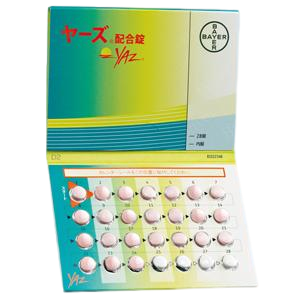
YAZ drospirenone/ethinyl estradiol combination tablets 28 tablets x 3 strips YAZ combination tablets Bayer ethinyl estradiol
YAZ drospirenone/ethinyl estradiol combination tablets 28 tablets x 3 strips YAZ combination tablets Bayer ethinyl estradiol
定價
¥39,000 JPY
定價
售價
¥39,000 JPY
單價
/
每
已包含稅額。
無法載入取貨服務供應情況
Ethinyl estradiol combined tablets are a combined short-acting contraceptive. They work by inhibiting ovulation and altering cervical mucus to prevent fertilization, and are used for contraception and regulating the menstrual cycle.
I. Basic Drug Information
- Generic Name : Drospirenone Ethinylestradiol Tablets
- English name : Drospirenone and Ethinylestradiol Tablets
- Product Name : Yasmin (YAZ)
- Dosage form : Film-coated tablets (light red solid tablets, white placebo tablets)
- Indications : Menstrual dysmenorrhea
-
Element
- Real medicine tablets (light red): Each tablet contains 3mg of drospirenone and 0.020mg of ethinylestradiol in the form of ethinylestradiol betacyclodextrin; added lactose water and ingredients, corn starch, magnesium stearate, hydroxypropyl methylcellulose, talc, titanium dioxide, and ferric oxide.
- Placebo tablets (white): Contain crystalline cellulose, lactose water and other ingredients, magnesium stearate, hydroxypropyl methylcellulose, talc, and titanium dioxide; do not contain the active ingredient.
-
Properties
- Real tablets (light red): Film-coated tablets, 6 mm in diameter, 2.90 mm in thickness, weighing 83.0 mg.
- Placebo tablet (white): Film-coated tablet, 6 mm in diameter, 2.85 mm thick, 80.0 mg in weight; Placebo tablet (Brazilbo tablet) identification code is... DP .
II. Usage and Dosage
- Take one tablet daily, at a fixed time each day, following the prescribed order (starting with the light red solid tablet), for 28 consecutive days.
- The medication cycle is 28 days. Regardless of whether the bleeding has stopped, the next cycle of pills should be started on the 29th day, and then the cycle should be repeated in this manner.
-
Precautions for taking medication
- Patients must be instructed to take their medication at the same time every day to avoid missing doses.
- To prevent abnormal genital bleeding and minimize the risk of pregnancy while taking hormonal medications, patients should be informed in detail about the correct way to take the medication and reminded to avoid missing doses.
- For first-time users, it is recommended to start taking the medication on the first day of menstruation. If the medication is started later than the first day of menstruation, the risk of pregnancy should be considered, and other contraceptive methods besides hormonal drugs should be used simultaneously during the first week of medication.
- If a patient discovers they have missed a dose the previous day, they should immediately take the missed dose and take the dose for the day at the usual time. If a dose has been missed for two days or more, the patient should take one missed dose upon discovery and take the dose for the day at the usual time, and then continue taking the medication according to the original medication plan.
III. Taboos
The following patients are prohibited from using this product:
- Patients with allergies to any of the ingredients in this product.
- Patients with estrogen-dependent malignancies (such as breast cancer, endometrial cancer), cervical cancer, or suspected of having such cancers (may promote tumor progression or manifestation).
- Patients with undiagnosed abnormal genital bleeding (possibly genital cancer; if the bleeding is caused by genital cancer, it may promote cancer progression or manifestation).
- Patients with thrombophlebitis, pulmonary embolism, cerebrovascular disease, coronary artery disease, or a related medical history may have increased blood clotting ability, which may worsen symptoms.
- Patients aged 35 and above who smoke 15 or more cigarettes per day (reports indicate that such patients are prone to cardiovascular diseases such as myocardial infarction).
- Patients with migraines accompanied by auras (such as flashing scotomas, star-shaped flashes, etc.) (reports indicate that these patients are more prone to cerebrovascular diseases, such as stroke, than patients with migraines without auras).
- Patients with valvular heart disease complicated by pulmonary hypertension or atrial fibrillation, or those with a history of subacute bacterial endocarditis (reports indicate that these patients are prone to cardiovascular diseases such as thrombosis).
- Patients with diabetes and vascular complications (such as diabetic nephropathy, diabetic retinopathy, etc.) (reports indicate that these patients are prone to cardiovascular diseases such as thrombosis).
- Patients with a tendency to thrombosis (reports indicate that such patients are prone to cardiovascular diseases such as thrombosis).
- Patients with antiphospholipid antibody syndrome (there are reports that such patients are prone to cardiovascular diseases such as thrombosis).
- Patients within 4 weeks before surgery, 2 weeks after surgery, 4 weeks postpartum, and those who are bedridden for a long period of time (may have increased blood clotting ability, increasing the risk of cardiovascular side effects).
- Patients with severe liver dysfunction.
- Patients with liver tumors (may experience worsened symptoms).
- Patients with lipid metabolism disorders (there are reports that such patients are prone to cardiovascular diseases such as thrombosis, and this product may affect lipid metabolism and aggravate symptoms).
- Patients with hypertension (excluding those with mild hypertension) (reports indicate that such patients are prone to cardiovascular diseases such as thrombosis, and this product may worsen their symptoms).
- Patients with otosclerosis (may experience worsened symptoms).
- Patients with a history of jaundice, persistent itching, or herpes gestationis during pregnancy (symptoms may recur).
- Pregnant women or women suspected of being pregnant.
- Breastfeeding women.
- Patients who may not have completed bone growth (which may lead to premature closure of the epiphyses).
- Patients with severe kidney disease or acute kidney disease.
IV. Precautions
(a) Special populations
-
Patients with comorbidities/past medical history
- Patients with uterine fibroids: Regular internal examinations and imaging examinations are necessary. Use medication with caution, as this product may promote the growth of fibroids.
- Patients aged 40 and above (excluding those who smoke 15 or more cigarettes per day): This age group is prone to cardiovascular diseases such as myocardial infarction, and this product may increase such risks, requiring close monitoring.
- Patients with a history of breast cancer: This product may cause breast cancer recurrence, so extra caution is required.
- Patients with a family history of breast cancer or breast nodules need to have regular breast examinations and use medication with caution, as there are reports suggesting a link between the use of estrogen-based drugs and the occurrence of breast cancer.
- Smokers (excluding those aged 35 and above who smoke 15 or more cigarettes per day): There are reports that smokers are more prone to cardiovascular diseases such as myocardial infarction and need to be closely monitored.
- Obese patients: There are reports that obese patients are prone to cardiovascular diseases such as thrombosis, and they need to pay more attention to this condition.
- Patients with a family history of thrombosis: Reports indicate that such patients are prone to cardiovascular diseases such as thrombosis and should use medication with caution.
- Patients with migraines without aura: There are reports that these patients are prone to cerebrovascular diseases (such as stroke) and require close monitoring.
- Patients with valvular heart disease (excluding valvular heart disease complicated with pulmonary hypertension or atrial fibrillation, and patients with valvular heart disease with a history of subacute bacterial endocarditis): There are reports that these patients are prone to cardiovascular diseases such as thrombosis, and medication should be used with caution.
- Patients with mild hypertension (including those with a history of gestational hypertension): There are reports that these patients are prone to cardiovascular diseases such as thrombosis. This product may worsen their symptoms, and blood pressure should be closely monitored.
- Patients with impaired glucose tolerance (including patients with diabetes and patients with abnormal glucose tolerance): Strict monitoring is required during medication, as this product may further reduce glucose tolerance.
- Patients with polycystic ovary syndrome: This product may worsen symptoms and requires close monitoring.
- Patients with heart disease or a related medical history: This product may worsen symptoms due to sodium or fluid retention, so caution is advised.
- Epilepsy patients: This product may worsen epilepsy symptoms, and close monitoring of changes in the condition is necessary.
- Patients with melasma: This product may worsen melasma symptoms, so please take precautions such as sun protection.
-
Patients with renal dysfunction
- Patients with severe renal impairment or acute renal impairment: This drug is contraindicated. The weak anti-mineralocorticoid effect of drospirenone may lead to increased plasma renin and aldosterone activity.
- Other patients with renal dysfunction: The weak anti-mineralocorticoid effect of drospirenone may lead to increased plasma renin and aldosterone activity, and renal function should be monitored regularly during medication.
-
Patients with liver dysfunction
- Patients with severe liver dysfunction: This medication is contraindicated. As their metabolic capacity is reduced, medication may increase the burden on the liver and worsen symptoms.
- Other patients with liver dysfunction: Patients have decreased metabolic capacity, and medication may increase the burden on the liver and worsen symptoms. Regular monitoring of liver function is necessary.
-
Those who are fertile
- Before administering medication, it is necessary to fully confirm that the patient is not pregnant through methods such as medical history taking, internal examination, basal body temperature measurement, and immunological pregnancy diagnosis.
- If withdrawal bleeding does not occur for two consecutive cycles during medication, it must be confirmed that the patient is not pregnant before continuing medication.
- If the patient plans to become pregnant, it is recommended to use contraception only after the menstrual cycle returns to normal following discontinuation of medication.
- Pregnant women : This medication is prohibited. If pregnancy is confirmed, the medication must be stopped immediately. Reports indicate that the use of follicle-stimulating hormone (FSH) drugs in pregnant animals (mice) may lead to malignant changes in the vaginal epithelium and endometrium in their offspring as adults. The use of this type of drug in newborn mice may also lead to malignant changes in the vaginal epithelium in their adults.
- Breastfeeding women : This medication is contraindicated. It is recommended that breastfeeding patients be given alternative treatment options. This product may reduce the quantity and quality of breast milk, and there are reports that the drug can enter breast milk, which may cause jaundice and breast engorgement in infants.
- Children : Clinical trials on efficacy and safety in children have not been conducted, and use in children is not recommended.
(II) Medication Instructions
- This product is not intended for contraceptive purposes, and its effectiveness and safety for contraception in Japanese people have not been confirmed.
- Thrombosis may occur even with this product, regardless of the patient's age, smoking status, obesity, family history, or other risk factors. If symptoms resembling thrombosis appear (such as lower limb pain, swelling, numbness, redness, burning sensation, headache, nausea, vomiting, etc.), discontinue use immediately and take appropriate measures.
- If a patient is at high risk of thrombosis (e.g., unable to move, significantly elevated blood pressure, dehydration, etc.), medication should be stopped immediately and appropriate measures should be taken.
- When starting and during medication, patients should be informed of the following: Thrombosis can be life-threatening; if symptoms resembling thrombosis or an increased risk of thrombosis occur, even if the symptoms or conditions are mild, medication should be stopped immediately and a doctor consulted; if a patient visits another medical institution for suspected thrombosis, the doctor should be informed that this product is being used so that the doctor can consider the possibility of thrombosis related to this product during diagnosis.
- If a patient must undergo surgery while taking this medication, the prevention of thrombosis should be fully considered.
- Reports indicate that age and smoking levels increase the risk of serious cardiovascular side effects, therefore patients using this medication should be advised to quit smoking.
- Before administering the medication, a medical history investigation and examination should be conducted on the patient. The examination items include blood pressure measurement, breast and abdominal examination, and clinical examination. During the medication period, an examination should be conducted every 6 months, and at least once a year, an examination of the pelvic organs focusing on the uterus and ovaries should be conducted. It is also necessary to consider conducting a cervical cytology examination once a year.
- For patients with dysmenorrhea accompanied by organic disease, it is necessary to monitor for abnormal genital bleeding during medication and to regularly check for any worsening of the organic disease through internal examinations and ultrasound examinations. If the organic disease worsens (e.g., tumor enlargement) or clinical symptoms do not improve, other treatment options should be considered before deciding whether to continue medication. Particular attention should be paid to endometriosis-related ovarian cysts (ovarian chocolate cysts), although the incidence is low, there are reports of malignant transformation during the natural course of the disease; therefore, imaging examinations and tumor marker testing are also necessary.
- The patient's condition should be closely monitored during medication. If the expected therapeutic effect is not achieved, medication should not be continued blindly, and other appropriate treatment options should be considered.
- Patients need to be instructed to perform breast cancer self-examinations.
- If abnormal genital bleeding occurs during medication, the bleeding will usually stop while the medication is continued. If the bleeding lasts for a long time, malignant diseases should be ruled out through vaginal cytology examination before continuing medication.
- If a patient experiences persistent severe diarrhea or vomiting during medication, it may lead to poor drug absorption, increasing the risk of abnormal genital bleeding and pregnancy. Patients should be advised to take note.
- Menstrual irregularities such as oligomenorrhea or abnormal genital bleeding may occur during medication use. Patients should be fully informed of this beforehand. If the bleeding is heavier than a normal menstrual period, lasts longer than a normal menstrual period, or menstruation does not occur on time, patients should be advised to consult a doctor. For patients with persistent bleeding, blood tests should be performed as needed. If abnormalities are found, appropriate measures such as iron supplementation or discontinuation of medication should be taken.
- This product is a combination preparation of progesterone and follicle-stimulating hormone. If the patient is currently using medications containing progesterone or follicle-stimulating hormone (such as oral contraceptives), they must discontinue these medications before starting this product. Patients should also be instructed not to use such medications during the course of treatment.
- When delivering medication, patients should be instructed to remove the medication from the PTP blister pack before taking it to avoid accidental ingestion of the PTP blister pack, as its sharp edges may pierce the esophageal mucosa, even causing perforation and leading to serious complications such as mediastinitis.
(III) Drug Preservation
Store at room temperature; shelf life is 36 months.
V. Adverse Reactions
(a) Allergic reaction
Allergic symptoms such as rash, eczema, urticaria, pruritus, and allergic rhinitis may occur. If such symptoms occur, medication should be stopped immediately and appropriate treatment measures should be taken.
(ii) Digestive system reactions
- Incidence 5% or higher: Nausea (29.8%).
- Incidence rate 1%-5%: constipation, diarrhea, gastritis, gastroenteritis, stomatitis.
- Incidence rate less than 1%: vomiting, abdominal discomfort, abdominal distension, bacterial gastroenteritis, thirst.
- Incidence unknown: indigestion, bloating.
(iii) Other adverse reactions
- Major adverse reactions (frequency unknown) : Thrombosis (limbs, lungs, heart, brain, retina, etc.), symptoms include sudden pain and swelling in the lower limbs, sudden difficulty breathing, chest pain, severe headache, weakness and numbness in the limbs, dysarthria, acute visual impairment, etc. If any of the above symptoms occur, the medication should be discontinued immediately and appropriate treatment measures should be taken.
-
Reproductive system
- Incidence rate of 5% or higher: abnormal uterine bleeding (25.4%), genital bleeding, menstrual pain, lower abdominal pain.
- Incidence rate 1%-5%: menorrhagia, dysfunctional uterine bleeding, withdrawal bleeding, amenorrhea, vulvovaginal candidiasis, uterine leiomyomas.
- Incidence rate below 1%: Premenstrual syndrome, pelvic pain, elevated CA125, abnormal cytology, cervical epithelial dysplasia, cervical polyps, ovarian cysts, hemorrhagic ovarian cysts, vaginal infections, vulvovaginal pruritus.
- Incidence unknown: oligomenorrhea, genital discharge, vaginitis, vaginal dryness.
-
breast
- Incidence rate 1%-5%: breast discomfort, breast pain, breast disease, breast fibroadenoma, fibrocystic breast disease.
- Incidence rate less than 1%: Breast lump.
- Incidence unknown: breast swelling, milk secretion.
-
Nervous system
- Incidence 5% or higher: headache (41.0%).
- Incidence rate 1%-5%: lethargy, drowsiness, insomnia, tinnitus, depression, mood instability, dizziness, circulatory disorders, fatigue, and decreased libido.
- Incidence unknown: paresthesia, nerve sensitivity, migraine.
-
cardiovascular system
- Incidence rate 1%-5%: palpitations, hypertension, phlebitis.
- Incidence unknown: - (Adverse cardiovascular reactions with unknown incidence not mentioned).
-
Respiratory system
- Incidence 1%-5%: cough, oral and pharyngeal pain, allergic rhinitis.
- Incidence unknown: - (Respiratory adverse reactions with an unknown incidence not mentioned).
-
liver
- Incidence rate less than 1%: Abnormal liver function tests, elevated gamma-glutamyl transferase.
- Incidence unknown: - (Hepatic adverse reactions with unknown incidence not mentioned).
-
Urinary system
- Incidence 1%-5%: Proteinuria.
- Incidence unknown: - (Adverse urinary system reactions with an unknown incidence not mentioned).
-
Blood system
- Incidence rate 5% or higher: abnormal coagulation function test (20.2%), elevated fibrinogen.
- Incidence 1%-5%: Thrombocytopenia, decreased protein S, increased fibrinogen, prolonged prothrombin time, and decreased serum iron.
- Incidence unknown: anemia, iron deficiency anemia, leukopenia.
-
Electrolyte metabolism
- Incidence 1%-5%: peripheral edema.
- Incidence unknown: - (Adverse electrolyte metabolism reactions with unknown incidence not mentioned).
-
Endocrine and metabolic system
- Incidence rate 1%-5%: elevated triglycerides, elevated cholesterol, and lipid abnormalities.
- Incidence unknown: - (Adverse reactions of the endocrine and metabolic system with no clearly unknown incidence mentioned).
-
Musculoskeletal system
- Incidence rate less than 1%: limb pain, musculoskeletal stiffness, myalgia.
- Incidence unknown: - (Musculoskeletal adverse reactions with unknown incidence not mentioned).
-
skin
- Incidence rate 1%-5%: Acne, eczema, urticaria, pigmentation, allergic reactions.
- Incidence unknown: Erythema multiforme.
-
Systemic symptoms
- Incidence 1%-5%: fatigue, elevated C-reactive protein, cystitis, fever, asthenia.
- Incidence unknown: hot flashes, excessive sweating, weight changes.
Note: Avoid prolonged exposure to sunlight while using this medication.
VI. Drug Interactions
| Drug category/name | Clinical symptoms and treatment methods | Mechanism of action and risk factors |
|---|---|---|
| Blood glucose lowering agents (insulin preparations, sulfonylurea preparations, sulfonylurea preparations, biguanide preparations, etc.) | It may weaken the effect of blood glucose lowering agents. Close monitoring of the patient's blood glucose levels and other physical conditions is necessary, and the dosage of blood glucose lowering agents should be adjusted if necessary. | This product may reduce glucose tolerance, thereby weakening the effect of blood glucose lowering agents. |
| St. John's Wort contains food. | This may reduce the effectiveness of this product and increase the risk of abnormal genital bleeding. Patients should be advised to avoid foods containing St. John's wort while using this medication. | St. John's wort may induce drug-metabolizing enzymes, promoting the metabolism of this product. |
| Fluconazole | This may lead to an increase in the blood concentration of this product. | Fluconazole may inhibit the metabolic enzyme (CYP3A4) of this product. |
| posaconazole | This may lead to an increase in the blood concentration of this product, or it may lead to an increase in the blood concentration of posaconazole. | Posaconazole may inhibit the metabolic enzyme (CYP3A4) of this product; this product may inhibit the metabolic enzyme (CYP2C19) of posaconazole. |
| aspirin | It may lead to an increase in the blood concentration of this product, or it may lead to a decrease in the blood concentration of aspirin. | Aspirin may inhibit the sulfate binding of ethinylestradiol; this product may promote the glucuronide binding of aspirin in the liver. |
| Lovastatin, Simvastatin, Calcium Salicylate |
VII. Production Information
Manufacturer: バイエル薬品 Co., Ltd.
Share